


It’s easy to assume retirement planning is meant to follow one predictable path. It’s the traditional retirement journey that you most often hear about: start saving in your 20s, increase contributions throughout your career, and gradually build enough to retire comfortably.
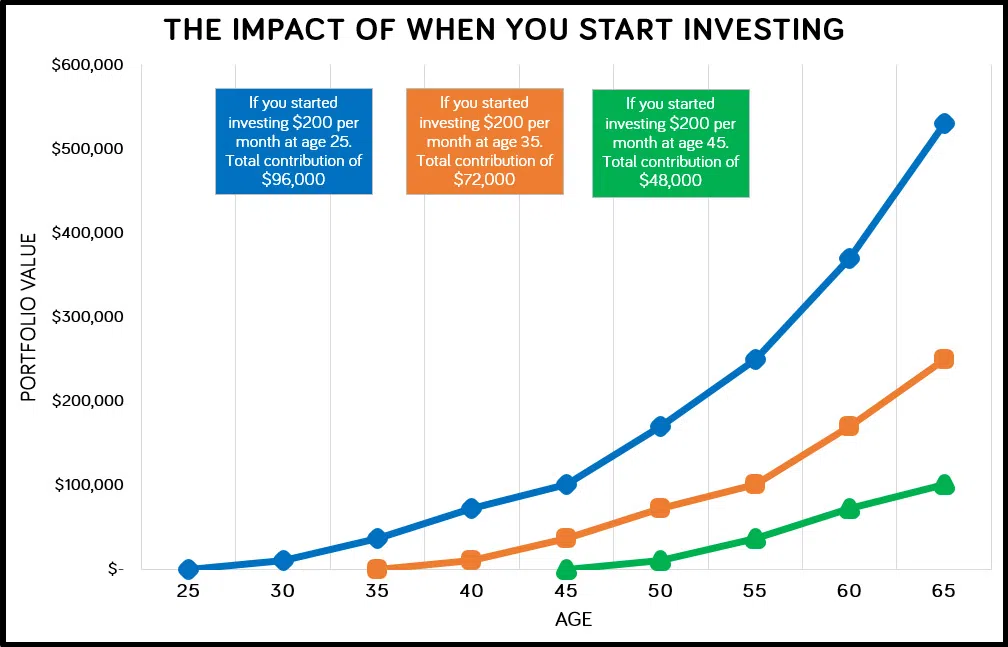
In reality, that’s not how it always looks.
Student loans, raising children, business ownership, caring for aging parents, divorce, unexpected financial setbacks, or simply earning more later in life can all delay retirement savings. As a result, many people don’t begin saving seriously until their 40s or 50s.
While starting earlier generally provides more time for investments to grow, there are still meaningful decisions you can make that may strengthen your retirement outlook.
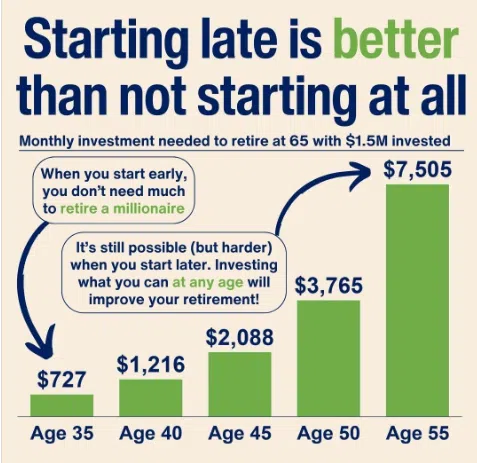
How much you save moving forward, when you retire, how your investments are managed, the taxes you pay, how much income you’ll need, and how your retirement income is structured can all influence the financial resources available to you throughout retirement.
If you’re saving for retirement later than you originally planned, you’re not alone. It’s natural to wonder whether you’ve fallen too far behind. Rather than focusing on the years you can’t change, however, it can be more productive to focus on the planning decisions that can still support your retirement strategy.
Increase the Amount You’re Saving and Investing Today
For many people who start saving later in life, one of the most immediate opportunities is looking at how much they’re contributing today.
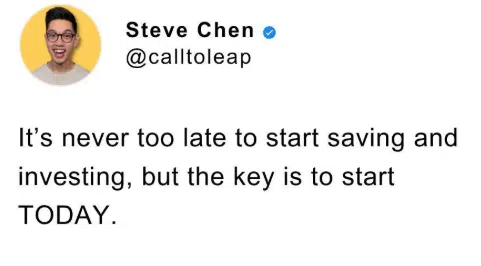
Even modest increases in your retirement savings can have a meaningful impact over time, especially when contributions are invested consistently and given the opportunity to grow. While every situation is unique, it can be worthwhile to review whether your current savings rate still reflects your income, retirement timeline, and longer-term goals.
Depending on your situation, you may want to consider:
- Increasing workplace retirement plan contributions, such as a 401(k) or 403(b), as income grows.
- Capturing the full employer match (if one is available) to avoid leaving part of your compensation on the table.
- Using raises, bonuses, or other increases in income to boost retirement contributions before those dollars become part of your regular spending.
- Taking advantage of catch-up contributions, which allow those who are eligible and age 50 and older to contribute additional amounts to certain retirement accounts.
- Setting automatic annual contribution increases so savings continue to grow over time without requiring a separate decision each year.
For some investors, retirement accounts may already be fully funded. In those situations, taxable investment accounts or other savings vehicles may also become part of the overall retirement strategy.
Review Your Retirement Timeline
Retirement is often discussed as though it happens on one specific date. In reality, the timing of retirement is another planning decision, and it can significantly influence your overall retirement readiness.
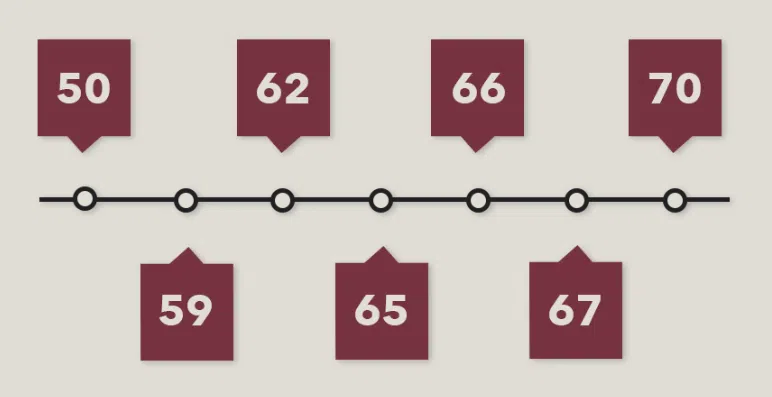
For some people, retiring a year or two later than originally planned may create additional opportunities to strengthen the financial plan. Those extra working years may provide time to:
- Continue contributing to retirement accounts.
- Give existing investments more time to grow.
- Delay withdrawals from retirement savings.
- Potentially increase future Social Security benefits.
- Shorten the number of years retirement savings may need to provide income.
This isn’t to say everyone should delay retirement. Health, family priorities, career goals, and personal circumstances all play a role in determining when retirement makes sense. For some, retiring earlier may still be the right decision despite the financial tradeoffs.
Understanding how different retirement timelines affect the rest of your financial plan can help you evaluate the tradeoffs involved in retiring earlier or later. Even small adjustments can influence savings, income, taxes, and longer-term retirement projections.
Whether you’re catching up or building on years of consistent savings, retirement planning is about more than building your nest egg. Our guide, 5 Steps to Retiring with $2 Million, helps you think about the planning considerations that come into focus as retirement gets closer.
Make Sure Your Investment Strategy Still Fits Your Timeline
As retirement gets closer, your investment strategy may deserve another look. The portfolio that made sense when retirement was several decades away may not be the same one that makes sense for your current timeline, income needs, or comfort with risk.
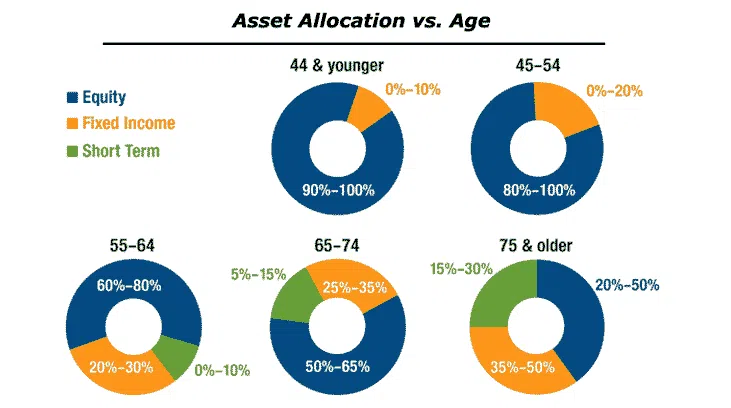
At Towerpoint Wealth, we believe reviewing your investment strategy periodically is a foundational part of the retirement planning process. As your timeline changes, your investment strategy should continue reflecting your goals, income needs, and comfort with risk.
Some of the questions that may be worth revisiting include:
- Does your asset allocation still reflect your retirement timeline?
- As retirement approaches, some investors adjust how their portfolios are allocated to help balance longer-term growth with risk management.
- Has your tolerance for risk changed?
- Market volatility can feel different when retirement is 10 years away than when it’s 30 years away. Your investment strategy should reflect both your financial objectives and your comfort with risk.
- Are your investments working together toward your longer-term goals?
- Retirement accounts, brokerage accounts, and other investments often serve different purposes within a broader financial plan. Reviewing how those accounts work together can help you ensure your investment strategy is still working toward your objectives.
Making changes simply because markets have performed well — or poorly — is generally different from making adjustments as part of a longer-term financial plan. Regular reviews can help ensure your investment strategy continues to reflect your timeline, goals, and overall retirement plan.
Look Beyond Your Retirement Accounts
When people think about retirement savings, it’s easy to focus on the balance in a 401(k) or IRA.
And those accounts are often an important part of the picture, but they may not be the only assets available to support retirement. Depending on your circumstances, other resources may also contribute to your retirement plan.
Examples may include:
- Taxable investment accounts, which can provide additional flexibility before or during retirement.
- Health Savings Accounts (HSAs), which may help cover qualified healthcare expenses in retirement if used strategically.
- Home equity, whether through downsizing, relocating, or other housing decisions that may affect retirement cash flow.
- Business interests, which may eventually provide liquidity through a sale or succession plan.
- Stock compensation, such as restricted stock units (RSUs) or stock options, that may contribute to your overall retirement resources.
- Pensions or other guaranteed income sources.
- Cash reserves, which may support nearer-term spending needs or help preserve investment flexibility during market volatility.
While these assets may serve different purposes, they often work best as part of a larger retirement strategy. Looking beyond retirement account balances alone can provide a more complete picture of the resources available to help support your goals for retirement.
Make Sure Taxes Are Part of the Retirement Plan
Saving for retirement is only one part of the equation. How retirement assets are withdrawn can also influence how much income ultimately becomes available to spend. Different retirement accounts are taxed differently, which means the order in which assets are used may affect your overall tax picture throughout retirement.
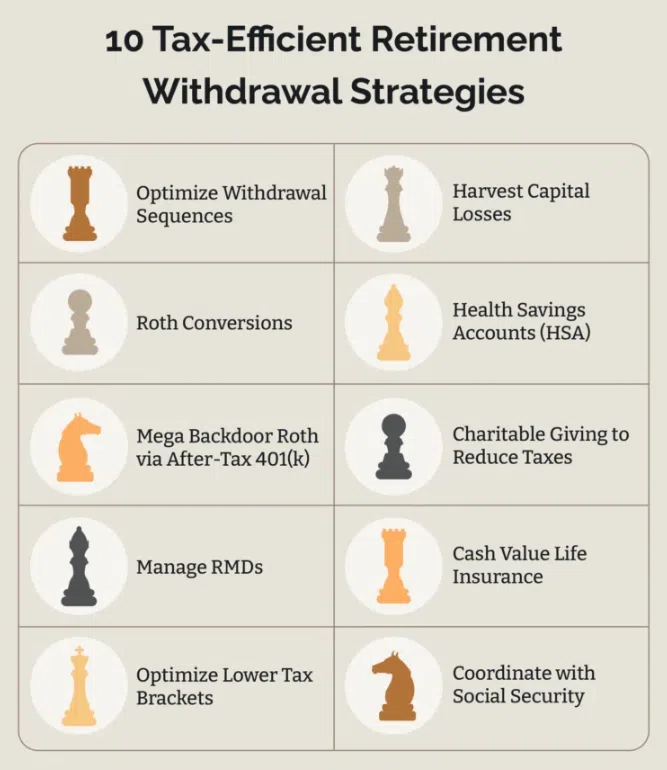
At Towerpoint Wealth, tax planning is an ongoing part of retirement planning, not simply a conversation that happens after retirement begins. Some of the tax planning opportunities may include:
- Optimizing contributions between Roth and traditional retirement accounts based on your current and expected future tax situation.
- Considering Roth conversions during years when taxable income may be lower than usual.
- Coordinating withdrawals from taxable, tax-deferred, and tax-free accounts to help manage annual taxable income.
- Planning around Social Security taxation, since retirement income from other sources may affect how much of your benefit becomes taxable.
- Preparing for Required Minimum Distributions (RMDs), which generally begin later in retirement and can affect taxable income if not planned for in advance.
The right approach depends on your income, account types, retirement timeline, and longer-term vision. Reviewing these decisions as part of your retirement plan can help you understand how taxes may influence the income available throughout retirement.
Retirement planning often raises new questions along the way. You can find more retirement planning insights, practical tools, and educational content in our Resource Center.
Think Beyond Your Retirement Balance
For many people, retirement planning becomes centered around one question: “How much do I need to retire?”
While savings are an important part of answering that, the ultimate goal of retirement planning is to generate enough income to support the life you want to live. That means looking beyond the figures in your account balances and asking yourself questions such as:
- What level of monthly income will you need?
- Your spending habits, lifestyle goals, and housing decisions all influence your retirement income needs.
- How will healthcare expenses affect your plan?
- Medical costs often become a larger part of the retirement budget over time, making healthcare planning an important part of the overall retirement strategy.
- How may inflation affect purchasing power?
- Even modest inflation can change how far retirement income goes over a retirement that may last several decades.
- What sources of guaranteed income will be available?
- Social Security, pensions, or other predictable income sources may cover part of your spending needs and help preserve flexibility in other sources.
- How will retirement income be generated?
- Retirement income may come from Social Security, retirement accounts, taxable investments, pensions, and other assets, each of which may play a different role over time.
Looking at retirement through the lens of income rather than savings alone can provide a more complete picture of your retirement readiness and the financial resources available to support your lifestyle throughout retirement.
How Towerpoint Wealth Helps Clients Who Start Saving Later
No two retirement plans look exactly alike.
Someone who begins saving for retirement at 40 may have very different opportunities from someone who begins at 30, even if their incomes, account balances, or retirement goals appear similar. Existing assets, future earning potential, tax considerations, retirement timelines, and your lifestyle goals can all influence the planning decisions that make the most sense for your financial future.
At Towerpoint Wealth, we help clients evaluate those decisions as part of a comprehensive financial plan. Rather than looking at contribution levels, investments, taxes, or retirement income independently, we consider how each piece affects the others and how they work together to support your longer-term goals.
That process typically includes reviewing retirement projections, evaluating contribution strategies, coordinating investment and tax planning decisions, developing a retirement income strategy, and revisiting the plan as circumstances continue to evolve.
Whether retirement is still decades away or beginning to feel much closer, our goal is to help you understand the opportunities available today and build a plan that can continue adapting over time.
Planning From Where You Are Today
When it comes to retirement planning, starting earlier generally provides more time for retirement savings to grow, but your starting point is only one factor that influences your readiness to retire.
The decisions you make today — from how much you save and when you retire to how your investments, taxes, and retirement income are carefully coordinated — can all influence your longer-term financial outlook.
If you’re saving for retirement later than you originally planned, you cannot undo the years that have already passed. You can, however, make informed planning decisions with the resources, opportunities, and timeline you have today.
If you’d like to talk about your retirement goals, evaluate your current strategy, or better understand the planning opportunities available to you, we invite you to schedule a complimentary 20-minute Ask Anything conversation with a Towerpoint Wealth advisor.