


Investors have had plenty to keep up with in 2026. Geopolitical conflict and volatile oil prices have added to inflation concerns, interest rates have moved higher, and new economic data continues to change expectations for what comes next.
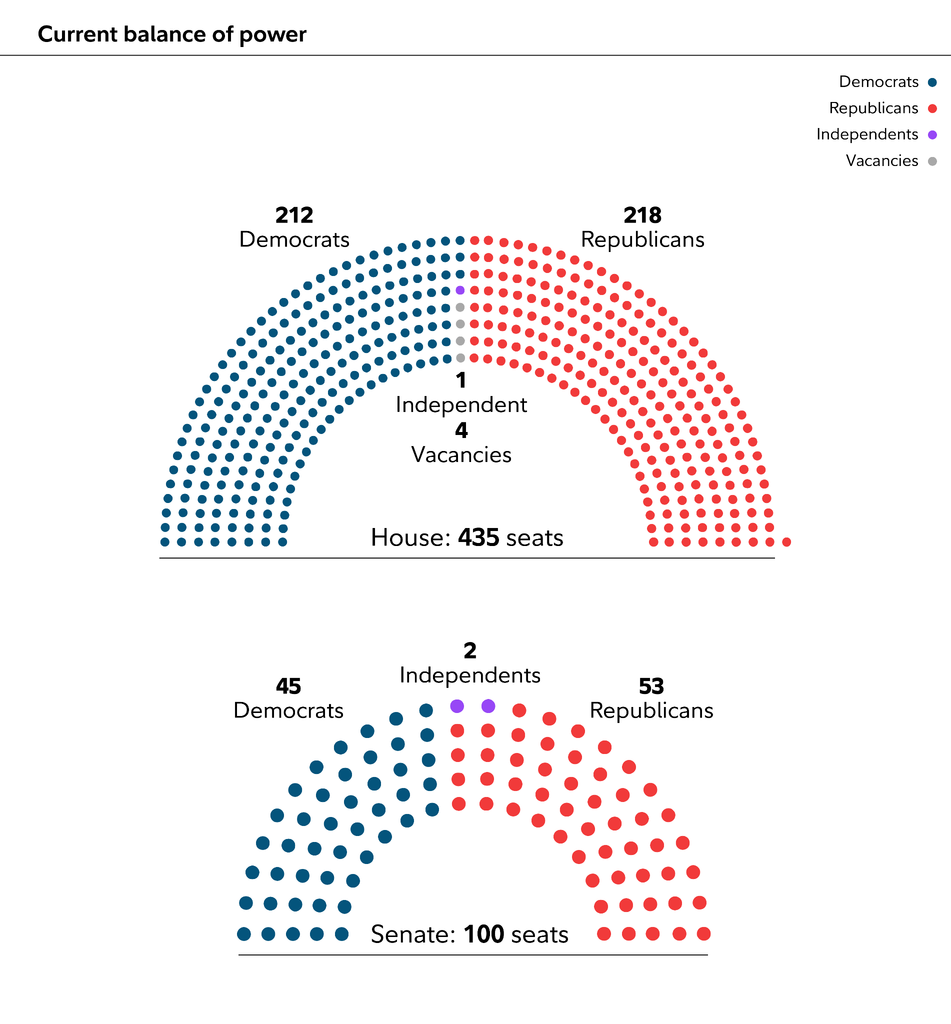
Sources: Office of the Clerk, US House of Representatives and US Senate Press Gallery.
Meanwhile, the stock market has remained resilient through much of it, creating an environment where your portfolio may not always seem to reflect the headlines you’re reading. Continued corporate earnings and economic growth have helped support stocks even as investors have faced concerns about oil, inflation, and interest rates.
Now, there’s another source of uncertainty that’s getting closer: the November 2026 midterm elections.
Every seat in the House of Representatives and one-third of the Senate are up for election, which means the balance of power in Congress could change along with expectations around future legislation.
Naturally, that can raise questions about your investments:
- Could the midterm elections move the stock market?
- What would a change in Congress mean for your portfolio?
- Should you make any changes to your portfolio before the elections in November?
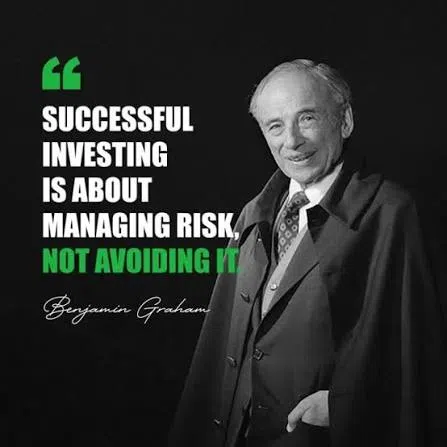
While elections can influence policy expectations and contribute to periods of market volatility, we urge you to remember that they’re only one piece of what markets are constantly processing at any given time.
So, as the November midterms approach, let’s look at what history can (and can’t!) tell us about midterms and the stock market, and what may actually deserve your attention between now and Election Day.
What Happens to the Stock Market During Midterm Election Years?
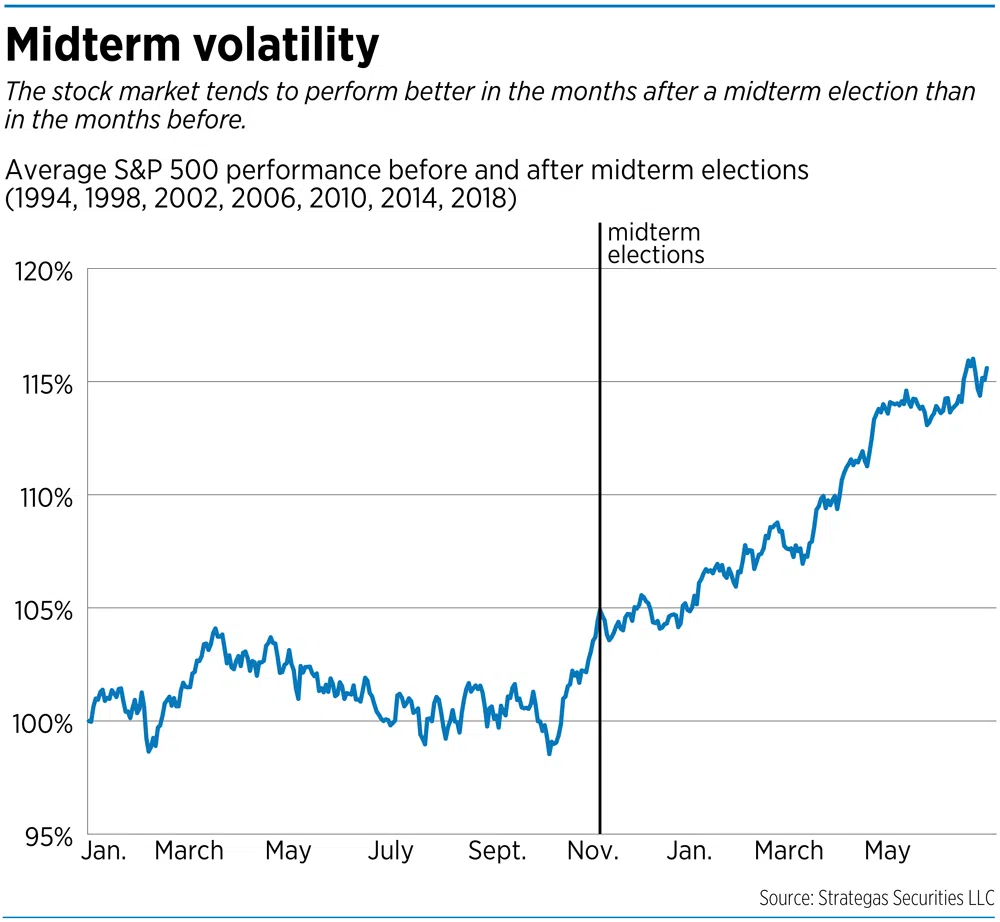
When the balance of power in Congress is “up for grabs,” markets can experience added uncertainty. A change in control can affect what investors expect surrounding taxes, spending, regulations, and other policies, and markets begin processing those possibilities long before Election Day.
Historically, that uncertainty has sometimes coincided with weaker returns and greater volatility leading up to midterm elections, but the range of actual outcomes makes it difficult to use that pattern as a guide for any particular year. Since 1950, midterm-year returns have ranged from a decline of approximately 27% to a gain of nearly 40%.
That wide range is a good reminder of how much else is happening around an election. So, while the midterms are worth paying attention to, they give us limited information about what stocks will do next.
What Are Investors Paying Attention to Right Now?
If the midterm elections can’t tell us where stocks are headed, what is the market responding to right now?
One of the biggest stories this year has been the conflict with Iran and its effect on energy markets. Disruptions to global oil supplies pushed crude prices sharply higher earlier in the year, with oil futures reaching almost $120 per barrel in March. Energy prices have since varied considerably as conditions have changed.
Oil reaches well beyond what you pay at the gas pump; transportation costs affect businesses throughout the economy, and sustained increases in energy prices can eventually work their way into the prices consumers pay for other goods and services.
Higher energy costs can also complicate the path for interest rates. If they contribute to persistent inflation, the Fed may have less room to lower rates.
The Federal Reserve raised rates in September as inflation remained above its 2% target, reversing the expectations for additional rate cuts that many investors had coming into the year. Where inflation goes from here will continue to influence how the Fed approaches future rate decisions.
What About the Job Market?
Layoff announcements have made plenty of headlines this year, but the broader job market has held up. U.S. employers added 162,000 jobs in August, while unemployment remained at 4.1%.
Investors watch those numbers for signs of whether the economy is strengthening or slowing; continued hiring can support consumer spending and corporate growth, while a significant deterioration in employment could suggest weaker conditions ahead. That makes the monthly jobs report another key piece of information markets are weighing alongside the headlines.
Then There Are Corporate Earnings
One reason stocks have held up despite a difficult news cycle is that many companies are still making money. Fidelity reported continued earnings growth in the second quarter, supported in part by significant investment in artificial intelligence.
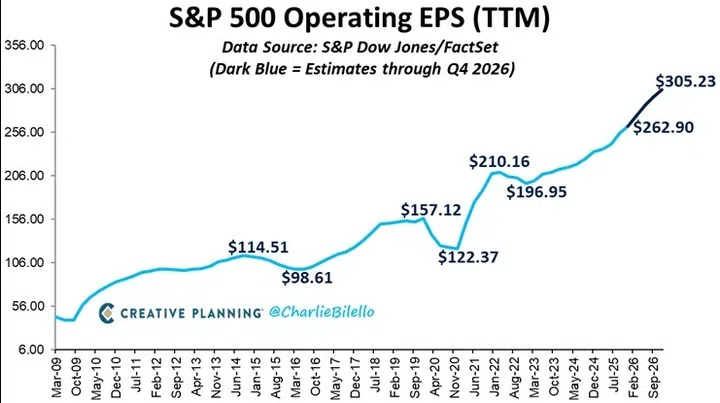
For investors, actual company performance can act as a counterweight to the headlines. Markets are looking at how businesses are performing, what they’re earning, and what investors expect from them going forward. So even when geopolitical or economic news is concerning, stocks can continue to perform well if the underlying businesses are holding up.
That’s a lot of what we’ve seen in 2026. The headlines may give you plenty of reasons to worry, while the companies you own are still producing results that give investors reasons to keep buying.
If the market’s resilience has you wondering whether you should be doing anything differently, read The Stock Market’s at an All-Time High. What Should Investors Do Now? for our perspective on what today’s market environment could mean for your portfolio.
How Can Stocks Hold Up When the Headlines Are So Concerning?
If you’re paying more at the gas pump, reading about layoffs and following an ongoing conflict overseas, it may seem strange to open your investment account and see stocks holding up relatively well.
So why doesn’t all of that uncertainty show up in the stock market the way you might expect? Part of the answer comes down to who’s actually feeling the effects of those developments, and how.
Your Portfolio and Your Personal Economy Aren’t the Same Thing
Your household budget and your investment portfolio respond to economic conditions in different ways.
Higher prices can hit you directly in the grocery aisle, at the gas pump, and in your monthly bills. The S&P 500 is driven by what investors think the companies in it will earn in the future. The two are connected, but they won’t always move together.
Your household can feel squeezed by higher costs at the same time a company is increasing sales and profits.
Markets Are Forward-Looking
Stock prices reflect what investors expect to happen next, not just what’s happening today. That means some bad news may already be reflected in prices by the time you read about it.
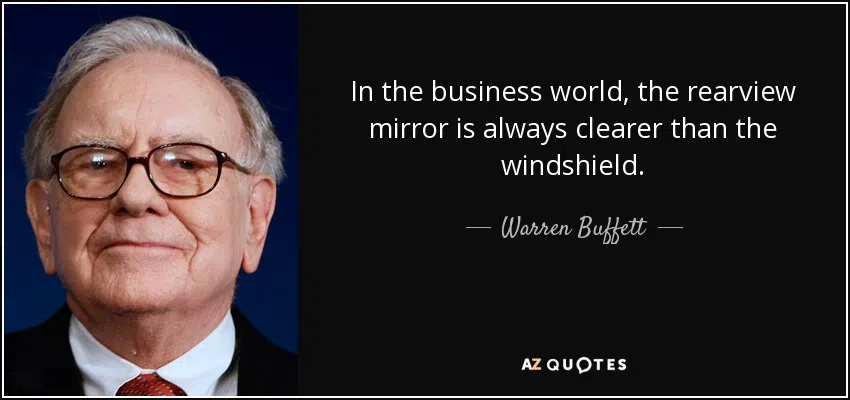
The reaction can also depend on how the news compares with expectations. When economic data comes in better than investors expected, stocks may rise even if the report itself isn’t particularly promising.
Different Parts of the Economy Can Move in Different Directions
The national economy is made up of thousands of businesses, industries, and households experiencing very different realities. Layoffs in one industry can occur at the same time as hiring spikes in another. Consumers can also pull back on certain purchases while companies elsewhere continue investing and growing.
That helps explain why the picture you get from a handful of headlines doesn’t always make sense with what you see in your portfolio.
None of this means the concerns behind those headlines should be dismissed, but it does mean a difficult news environment on its own tells us very little about what the stock market will do next.
Should You Make Portfolio Changes Before the Election?
With this much uncertainty in the headlines, waiting until after the election to invest or moving some of your portfolio to cash can feel like a reasonable way to reduce risk. Maybe you’re also wondering whether it makes sense to reduce your stock exposure now and reinvest once there’s more certainty about the election and economy.
The challenge is that a move like this requires getting two major decisions right: what happens next and how the market responds when it does.
Even if your concerns prove well-founded, you still have to decide when to get back in. Markets don’t wait for every question to be resolved before they move, and some of the strongest days can happen while you still see plenty to worry about. Sitting out until the outlook feels “safer” can mean returning after prices have already moved higher.
At Towerpoint Wealth, we believe your investment decisions should start with your financial plan rather than the latest headline. There are plenty of reasons your portfolio may need to change over time. For example:
- You’re approaching retirement or another time when you’ll need money from your portfolio.
- Your income, spending needs, or financial goals have changed.
- Market movements have pushed your asset allocation away from its intended targets.
- Your ability or willingness to take investment risk has changed.
- A tax-planning opportunity makes a portfolio adjustment worth considering.
Those are decisions based on what’s happening in your financial life, where you have much more useful information to work with than you do when trying to anticipate an election or the market’s reaction to it.
If you’re tempted to wait for a better time to invest or move money to the sidelines until the uncertainty passes, we take a look at the risks of that approach in Time, Not Timing: Why Longer-Term Investing Wins.
Your Portfolio Should Be Prepared for More Than One Outcome
You don’t need to know exactly what happens next to prepare your portfolio for it.
That’s one of the reasons the principle of diversification is so important. Different investments respond differently as economic and market conditions change. Stocks may provide growth when businesses are doing well, while bonds and other assets can play a different role when growth slows or volatility increases.
This also means there will almost always be something in a diversified portfolio that looks disappointing compared with whatever’s performing best at the moment. However, if every investment is benefiting from the exact same conditions, there’s a good chance they share some of the same risks as well.
At Towerpoint Wealth, diversification works alongside a strategic asset allocation built around each client’s goals, time horizon, and tolerance for risk. From there, we regularly monitor portfolios, rebalance when allocations move away from their targets, and make adjustments when changing market conditions warrant them.
A well-diversified portfolio gives you room to be wrong about what happens next. If rates stay higher or markets surprise investors in another way, your entire investment strategy hasn’t been built around the opposite outcome.
Final Thoughts
There’s no shortage of reasons to wonder what the rest of 2026 could mean for your money. The midterm elections add another unknown, but they’re one part of a much bigger picture that markets will continue to navigate.
Your portfolio shouldn’t depend on correctly predicting how each of those unknowns turns out. A financial plan gives a strategy for how you’re invested in the first place, while diversification helps prepare your portfolio for a range of possible conditions along the way.
As circumstances change, your investments may need to change with them. The reason for making that adjustment should come from your financial life and what your money needs to accomplish, rather than trying to stay one step ahead of the next headline.
If you’re wondering whether the election, current market conditions, or something happening in your own financial life warrants a change, schedule a complimentary 20-minute Ask Anything Conversation with Towerpoint Wealth.