


The first half of 2026 brought no shortage of headlines centered on inflation, changing interest rate expectations, global conflicts, and political developments, often making those concerns feel like the defining story for investors.Based on the news cycle alone, it would have been easy to assume the markets were under considerable pressure, yet many areas of the market remained resilient, even if they never made it to the front page.

Markets, however, do not respond to headlines in isolation. They also reflect fundamentals like corporate earnings, economic data, investor expectations, and what businesses and consumers are doing beneath the surface.
As we look back on the first half of the year, understanding what shaped market performance requires looking beyond the stories that received the most attention.
What We’ve Seen During the First Half of the Year
The first six months of 2026 have offered another example of how markets can absorb a wide range of economic and geopolitical developments while continuing to move forward.
Looking beyond headlines, a different story is playing out. Market performance remained resilient even as inflation showed uneven progress and interest rates stayed elevated. Expectations for Federal Reserve policy also evolved throughout the year as investors responded to each new inflation report, employment update, and economic data release.
Through it all, businesses, consumers, and investors continued adapting. Companies adjusted to higher financing costs, and households made decisions within a more expensive borrowing environment. Markets also repeatedly reassessed what changing conditions could mean for the months ahead.
The specific sources of uncertainty change from one year to the next. For investors, the challenge is maintaining perspective, even when the latest concern feels as though it will define the entire market environment.
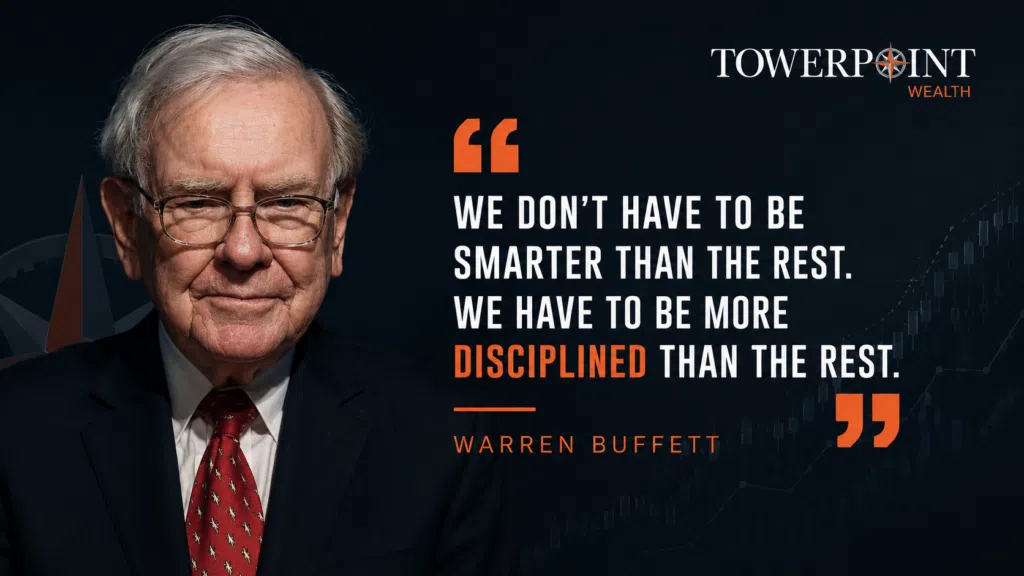
The first half of 2026 has been another reminder that disciplined investment decisions tend to serve investors better than reacting to each new headline.
What’s Changed Since January?
Throughout the first half of the year, markets have responded to a steady flow of economic data, corporate earnings, policy developments, and global events. While individual headlines have often dominated the news cycle, we believe it’s more helpful to step back and focus on the broader trends than individual datasets.
As we’ve reflected on the first six months of the year, four themes stand out. Together, they provide useful context for understanding where markets are today and what we’ll continue watching during the second half of 2026.
Strong Corporate Earnings Continue to Support the Market
While much of the news cycle has focused on inflation, geopolitical events, and changing expectations for interest rates, companies have continued operating through those conditions. Across the market, businesses have been becoming more productive, growing revenue and profits, investing in new opportunities, adapting to higher costs, and generating profits.

Corporate earnings remain a significant longer-term driver of stock market performance. Stronger-than-expected business results have helped support the market during the first half of the year, even as the headlines often emphasized the risks facing investors.
Interest Rates Have Changed the Conversation
For several years following the COVID pandemic, investors became accustomed to an environment of exceptionally low interest rates. Today, borrowing costs are higher, so the role of fixed income within a portfolio looks different as a result.
Higher rates have created added pressure for borrowers, but they have also opened up opportunities for investors. High-quality bonds and other fixed income investments are once again offering more meaningful income than they did during lower-rate years.
As a result, high-quality fixed income (bond) investments can once again serve two important purposes within a portfolio. Rather than simply serving as portfolio “ballast,” fixed income can once again contribute to both income generation and diversification.
Stocks continue to play an essential role in longer-term growth, while today’s rate environment has made the relationship between growth, income, and diversification more balanced than it was several years ago.
Not Every Household Is Experiencing the Same Economy
One of the defining features of the current environment is how differently households are experiencing it. While some continue to benefit from strong investment portfolios, rising home values, and steady employment, others are feeling more pressure from higher borrowing costs and tighter household budgets.
That can help explain why economic headlines can feel contradictory. The same set of data may look encouraging to one household and much more difficult to another, depending on income, debt, savings, housing costs, and where they are in their financial lives.
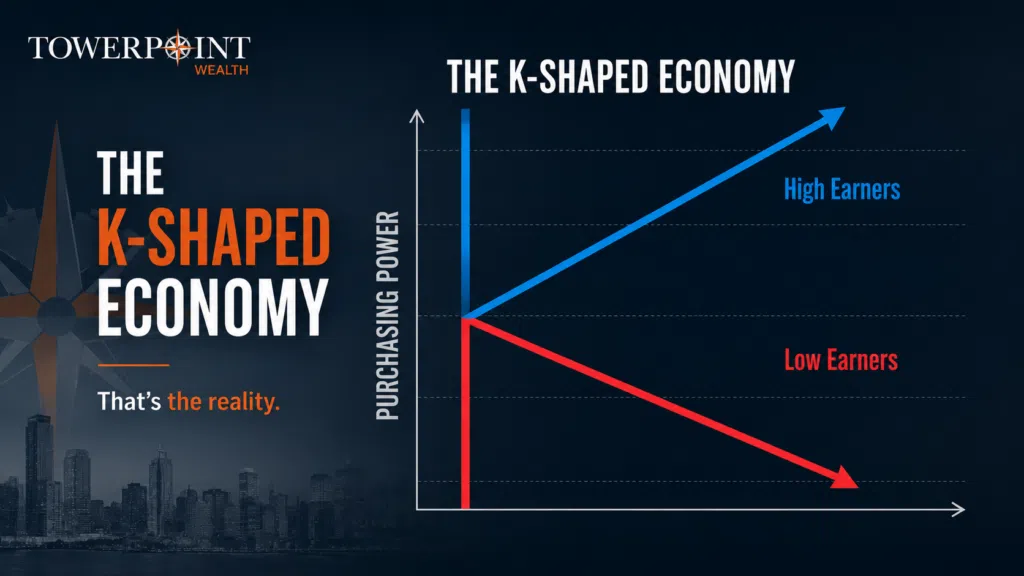
For investors, the more useful frame is how current conditions affect their own financial plan and longer-term decisions. Generalized economic headlines can provide some helpful context, but they don’t typically reflect every investor’s experience.
Inflation and the Federal Reserve
Inflation has continued to ease unevenly, with some categories remaining more persistent than others. That has left the Federal Reserve balancing progress on inflation against the overall strength of the economy.

As new data has been released, markets have repeatedly revised their expectations for the timing and direction of future interest rate changes. Those expectations may continue to develop throughout the second half of the year as investors respond to inflation reports, employment data, and comments from Federal Reserve officials.
Markets are constantly incorporating new information, often well before the Federal Reserve announces a policy decision. For longer-term investors, success has historically depended on maintaining discipline and a strategy designed to hold up across a range of interest rate environments.
Staying Focused on the Bigger Picture
As fiduciary financial advisors, part of our role is helping clients understand which developments may affect their financial plans and which are more likely to create shorter-term market noise.
The first half of the year has brought changing interest rate expectations, uneven inflation data, geopolitical developments, and periods of market volatility. Each deserves attention, but none should be considered in isolation or used as the basis for a longer-term financial decision.
A financial plan provides a framework for evaluating these developments within the context of your goals, time horizon, spending needs, and investment strategy. Maintaining an appropriate allocation and making adjustments when your circumstances call for them can help keep shorter-term market events from steering longer-term decisions.
That approach remains just as relevant heading into the second half of the year as it was when 2026 began.
Looking Ahead
As we move into the second half of the year, we’ll continue watching the data that can shape the market environment, including corporate earnings, inflation, employment, consumer spending, and developing Federal Reserve policy.
Those developments may create new opportunities, new risks, or reasons to revisit certain assumptions you may have made. Our focus will remain on evaluating them within the context of your financial plan rather than reacting to any single data point or market move.
That means continuing to build diversified portfolios, manage risk, and make adjustments when a client’s circumstances or longer-term objectives call for them. The next six months will bring their own set of headlines, but our work is to help clients understand what deserves attention and what can simply add noise.
Have Questions About How This Affects Your Plan?
If recent market developments have raised questions about your portfolio, income needs, or longer-term strategy, we’re here to help you consider them within the context of your financial plan.