


When we talk with business owners about a future exit, the first questions are often financial.
How much is enough? What will taxes look like? How do the proceeds support your retirement plans?
These questions are all central to the planning process. A business exit can change how your income is generated, how your taxes are managed, how you use liquidity, and how your retirement income is ultimately structured. For many owners, the business is one of their largest assets, which means the transition can have a direct impact on almost every other part of their personal and financial life.
But the exit also brings questions that extend far beyond the transaction itself. After years of building and running a business, stepping away can change your daily structure, decision-making role, family priorities, and your sense of “what comes next?”
That’s why business exit planning needs to be about much more than the sale, succession, or transfer alone. Behind the business, there’s an owner who needs to prepare for what comes next, so the decisions made before, during, and after the exit support the retirement they are working toward.
Why the Exit Affects More Than the Business
The early stages of exit planning often focus on the details surrounding the company: valuation, timing, buyer readiness, and deal structure.
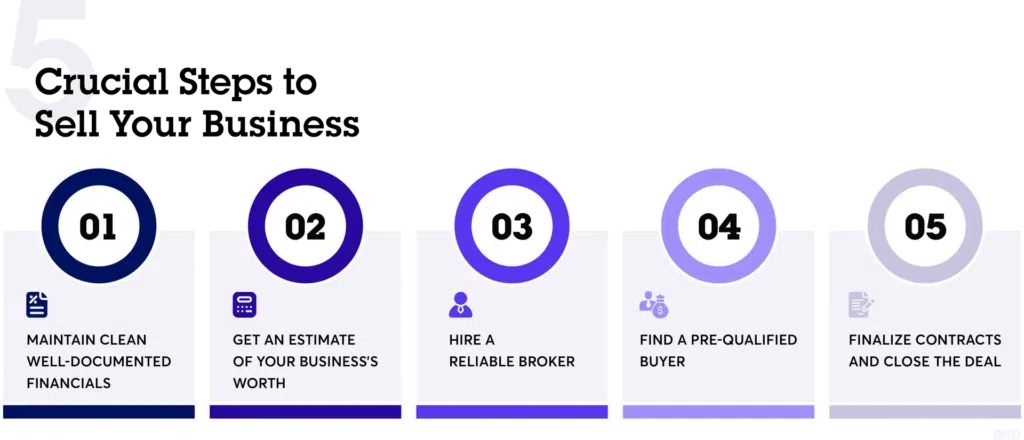
Those pieces can influence what kind of transition is possible, how attractive the business may be to a buyer or successor, and how much value the owner may ultimately receive. But once the conversation moves from the business to the owner, the planning looks different.
A sale that pays out over time creates a different financial picture than one that produces immediate liquidity. Or, an earnout or retained ownership interest may keep part of the owner’s wealth connected to the business. Taxes, transaction costs, and debt repayment can also change how much of the headline value is actually available after the transition.

From there, the owner still has to determine how that value supports life beyond the business:
- Income that once came through salary, distributions, or business cash flow may need to be replaced.
- Liquidity may need to be invested and structured for retirement income.
- Estate planning, family priorities, charitable goals, and lifestyle decisions may become more prominent once the business is no longer operating in the same role.
That is the part of business exit planning that can be easy to underestimate until the time comes. The transaction may determine what happens to the company, but the personal financial planning for business owners determines how that transition supports the owner’s next stage.
The Problem With Treating the Sale as the Retirement Plan
For many business owners, the business is one of the largest assets on their personal net worth statement and within their retirement plan. That makes the eventual sale, succession, or transition central to everything that comes next, but it also creates a subsequent planning challenge: the expected value of the business can start to feel like the retirement plan itself.
Those are NOT the same thing.
A valuation may give the owner a sense of what the business could be worth, but it does not necessarily reflect what will be available after the transaction is complete. Taxes, debt repayment, transaction costs, and the overall structure of the exit can all affect the amount that ultimately becomes available for personal use.
The timing of that liquidity is another factor. A full cash sale creates a much different planning picture than an earnout, installment sale, seller-financed arrangement, or transition where the owner retains equity for a period of time.
In those situations, part of the value may still depend on future performance, buyer terms, or continued involvement in the business, making planning conversations less straightforward than with a full cash sale.
There is also the timing of the exit itself. A sale may happen earlier than expected, later than expected, or under different conditions than the owner originally imagined. Market conditions, buyer interest, internal readiness, succession dynamics, and industry trends can all influence when an exit becomes realistic and what it ultimately looks like.
And, let’s be clear: that uncertainty does not mean the business cannot be central to retirement. In many cases, it still is.
But before the sale can support retirement, the expected value needs to be translated into something more practical: after-tax proceeds, available liquidity, income strategy, investment structure, and flexibility for the years that follow.
That is where the sale becomes part of the retirement plan, rather than the plan itself.
Planning for a major financial transition like a business exit often involves more than one decision. Visit our free Resource Center for retirement guides, planning checklists, articles, and educational content to help you continue learning.
What Exit Planning for Business Owners Should Include Personally
Once there is a clearer sense of what your business exit may look like, the next step is understanding what the transition needs to accomplish for your personal financial situation… and that can be much more involved than simply estimating a sale price.
The structure of the exit, the timing of the proceeds, and what you want your life to look like after the business all influence how the plan should be built. A thoughtful exit plan should account for the company, but it should also account for your income, liquidity, taxes, risk, and family priorities that follow.
What the Exit Needs to Fund
Before you can know whether an exit supports retirement, there needs to be clarity around what the proceeds are expected to provide. That may include:
- Retirement income and ongoing lifestyle needs.
- Healthcare costs and insurance coverage.
- Family support or wealth transfer goals.
- Charitable giving or legacy planning.
- Debt repayment or major purchases.
- Capital for another business, investment, or future opportunity.
Some owners may also want flexibility simply to spend time deciding what comes next. Each of those goals places a different demand on the proceeds.
An exit that supports one version of retirement may look very different from one that needs to fund multiple households, charitable commitments, future business ventures, or a more flexible lifestyle.
Defining your priorities early helps turn the conversation from “What is the business worth?” to “What does this transition need to set me up for?”
How Much You Actually Keep
The headline value of the business is only the starting point. What matters for your personal financial plan is the amount available after several factors are accounted for, including:
- Federal and state taxes.
- Transaction costs.
- Debt repayment.
- Timing of income recognition.
- Whether proceeds are received upfront or over time.
- Deal structure (i.e., an asset sale, stock sale, installment sale, or earnout).
Two exits with the exact same valuation can ultimately create very different personal results.
One may create immediate liquidity, while another may spread payments over several years, or leave part of your wealth tied to future business performance. Those details affect how much can be invested, how much can be used for retirement income, and how much flexibility you have after the transition.
How Proceeds Become Retirement Income
For most business owners, one of the biggest changes after an exit is the shift from business income to portfolio income.
Salary, distributions, and business cash flow may be replaced by investment assets that now need to support spending over time. That requires decisions around allocation, withdrawal strategy, liquidity reserves, and how different accounts should be used.
The order of withdrawals affects how your income is taxed, how long certain assets remain invested, and how much flexibility you have from year to year. The mix of taxable, tax-deferred, and tax-free accounts also shapes how your retirement income can be created and adjusted over time.
A plan that simply invests the proceeds without thinking through income needs may leave important tax and cash flow decisions unresolved and create unintended consequences down the line.
After the exit, the focus becomes how the proceeds are structured to support income, preserve flexibility, and coordinate with the rest of your financial life.
How the Exit Changes Risk
Before a sale or transition, much of your risk may be concentrated in the business. After the exit, different risks may become more prominent.
If proceeds are invested, market risk may become a greater factor. If payments are delayed or tied to an earnout, liquidity risk may still be at play. If you keep equity in the company, part of your wealth may still depend on future business performance. And, if retirement income begins immediately, sequence-of-returns risk may also become more relevant.
There are tax risks to consider as well, especially when income from the transaction is concentrated in a particular year or spread across several years. The sale may reduce one form of concentration, but it does not remove the need to manage risk; rather, it changes which risks need the most attention.
How Estate, Family, and Legacy Planning Fit In
A business exit can also bring estate, family, and legacy decisions into a sharper focus.
The transition may create an opportunity to revisit wealth transfer goals, charitable giving, trust structures, family governance, and how assets may eventually pass to the next generation. These conversations can be especially important when family members are involved in the business or when sale proceeds create a larger liquidity event than your family has managed before.
Some of these decisions are more effective when they are worked through before the transaction is underway.
Certain gifting, charitable, or estate planning strategies may be easier to coordinate before deal terms are set and deadlines are in motion. Once the transaction moves forward, there may be less flexibility to structure those decisions thoughtfully.
That is why the personal side of exit planning typically involves more than retirement income alone. It can also shape how wealth is organized, shared, protected, and used in the years after the business transition.
Every business exit looks different. If questions come up as you think through your own transition, the Towerpoint team welcomes helping you evaluate how the pieces fit together.
Planning for the Personal Side of the Exit
The financial details of an exit often receive the most attention, and understandably so. The numbers, tax impact, deal structure, and retirement income plan are all crucial points that need to be carefully considered.
But there is another part of the transition that’s worth planning for as well: what life looks like once the business is no longer at the center of it.
For many business owners, the company has impacted more than income. It’s influenced your daily routines, decision-making, relationships, responsibility, and identity. Stepping away can create more freedom, but it can also raise questions that are difficult to answer in the middle of a transaction.
Some of those questions may include:
- What do you want your time to look like?
- How involved do you want to stay?
- What responsibilities are you ready to let go of?
- What kind of flexibility do you want your wealth to support?
- What does a fulfilling next chapter look like, outside of the business?
Those questions may seem separate from the financial plan, but they often determine how the plan needs to be built.
Someone who wants to consult, invest, or start another venture may need a different liquidity structure than someone who wants to fully retire. If you want to support family, give more intentionally, or travel extensively, you may need different income and cash flow planning than someone who wants to keep life relatively unchanged.
The personal side of the exit does not replace the financial analysis, but it does give the financial plan direction. When those priorities are considered early, the transition can be planned around the life you want to build after you are done running your business.
Beyond the Exit
A business exit can be one of the most meaningful financial events of your life, but the transaction itself is only one piece of the planning process. What matters is how the value you have built is carried forward.
That includes understanding what the exit needs to fund, how much liquidity you may actually have after taxes and transaction costs, how proceeds should be structured for retirement income, how risk changes after the sale, and how estate, family, and legacy priorities fit into the plan.
It also means thinking through what life looks like once the business is no longer at the center of it.
At Towerpoint Wealth, we help business owners connect those decisions before, during, and after an exit. We work alongside your CPA, attorney, and other advisors to help coordinate the financial pieces, evaluate the trade-offs, and build a plan that supports your retirement and the next chapter you are working toward.
If you are starting to think about a future sale, succession, or transition, we invite you to schedule a 20-minute complimentary conversation with our team. Together, we can begin to look at how your business exit fits into your broader financial plan, and what decisions may be worth addressing before the transition is already underway.